



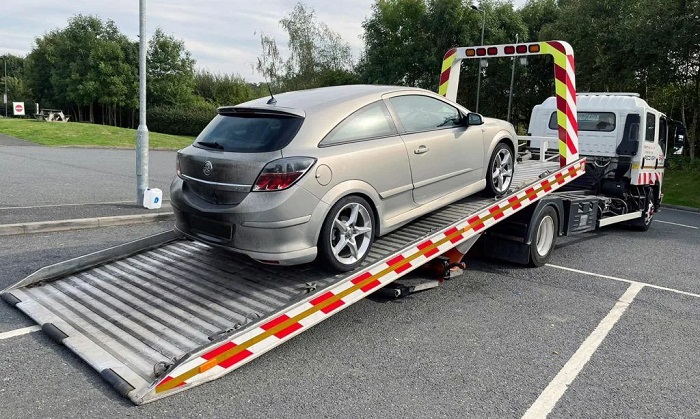
07 Feb Key features and tips for proper vehicle recovery
Vehicle towing is a process that requires a clear understanding of the rules and details to avoid unnecessary fines and problems. Choosing the right vehicle towing service on website is crucial, ensuring fast and safe vehicle transportation while minimizing the risk of damage. Understanding the procedures and nuances allows car owners to more consciously interact with towing services and avoid unnecessary expenses.
Paperwork and Legal Nuances
The primary document confirming the legality of the towing is a power of attorney or other document confirming the authority of the towing service employees. The documents must also indicate the reason for the towing, the location, and the time of transportation. If the owner disagrees with the service’s actions, they have the right to review the completed documents and file a complaint with the competent authorities.
It is important to pay attention to the deadlines for providing documentation and the procedure for receiving it. In most cases, after the towing, the owner is required to receive copies of the reports and protocols within a certain period. Otherwise, they risk facing difficulties in resolving the situation and possibly paying fines or towing company fees.
Working with Different Types of Road Surfaces and Weather Conditions
Vehicle towing in various road conditions requires taking into account the specific surface and weather factors. The correct choice of methods and tools can reduce the risk of damage and speed up the vehicle recovery process.
Incorrect assessment of the situation can complicate the towing operation, resulting in additional time and resource costs. Therefore, it is important to have a clear understanding of the intricacies of working on different types of surfaces and in changing weather conditions.
Working with Different Types of Road Surfaces and Weather Conditions
- Asphalt and concrete surfaces typically provide good traction and allow the use of standard equipment. In rainy weather, be aware of the potential for slippage and reduce speed.
- Gravel and dirt roads require care when using cables and locks. Heavy slush or rain can pose a risk of getting stuck and damaging wheels, so it’s recommended to choose more robust equipment.
- Icy or snowy surfaces require the use of anti-skid materials and special chains. In such conditions, it is important to avoid sudden movements and promptly clear roads of snowdrifts.
- Ensure safety and stability – use the correct equipment for the conditions, control traction and speed.
- Prepare tools – have chains, shovels, anti-skid mats, and other specialized equipment.
- Communicate and observe safety precautions – avoid risky maneuvers, inform the driver of possible hazards and how to overcome them.
In summary, successful evacuation in various weather and road conditions is possible only with proper preparation, consideration of the specific surface conditions, and the timely use of appropriate equipment. Adherence to safety regulations and careful planning can minimize risks and increase the effectiveness of rescue efforts.
No Comments