



11 Feb What are commercial refrigerators and what are they used for in business?
Commercial refrigerators are specialized equipment designed for storing food and beverages in retail, food service, and other service environments. They play a vital role in maintaining the freshness and quality of products and enable efficient workflows in retail and food service establishments.
Proper operation and timely commercial refrigeration repair ensure the long life of refrigeration units and the smooth operation of businesses. Therefore, understanding the purpose and key characteristics of such units is essential for their proper selection, operation, and maintenance.
Main Functions and Features of Commercial Refrigeration Systems
Commercial refrigerators are designed to store products in conditions that ensure their long-term freshness and safety. They are used in retail outlets, restaurants, cafes, and other food service and retail establishments. The main purpose of such systems is to maintain optimal temperature and humidity within the chamber, preventing food spoilage and ensuring its preservation.
One of the key features of commercial refrigeration systems is their reliability and durability. They are designed for intensive use and offer high operational stability over long periods. Furthermore, such systems are equipped with modern energy-saving technologies, significantly reducing operating costs. Below are the main functions and features of such systems.
Functions of Commercial Refrigeration Systems
- Maintaining a set temperature – ensure stable storage conditions for various product groups.
- Humidity control – prevent drying out or excessive humidity inside the chamber.
- Ensuring hygiene – easy cleaning and preventing the growth of bacteria and mold.
- Energy saving – automatic regulation of the system to reduce energy costs.
- Automatic defrost – prevents the formation of ice and icing inside the chamber.
Main Features of Commercial Refrigeration Systems
- High wear resistance – use of materials resistant to corrosion and mechanical damage.
- Multifunctional systems – the ability to configure various operating modes and temperature settings ranges.
- Ease of maintenance – the presence of structural elements designed for maintenance and repair.
- Modularity – the ability to expand or modify the system depending on needs.
- Energy efficiency – the use of modern compressors and heat exchange systems to reduce energy costs.
Types of commercial refrigerators and their applications
The variety of types of commercial refrigerators is due to their wide range of applications in various business sectors. Each type has specific characteristics, allowing for optimal solutions for food storage and cooling needs depending on the specific needs of the enterprise.
Choosing the right refrigeration equipment plays a key role in maintaining product quality, operational efficiency, and meeting sanitary requirements in the food service, retail, and manufacturing industries.
Main Types of Commercial Refrigerators and Their Applications
- Cabinet refrigerators – used in cafes, restaurants, and delicatessens to store food in conditions that ensure accessibility and neatness.
- Refrigerated display cases – designed for the display and storage of beverages, confectionery, and fresh produce in stores and cafes.
- Freezers and chest freezers – used in food production, catering, and retail for storing frozen and semi-finished products.
- Cassette refrigeration units – used in catering establishments to automate the storage and serving of beverages and Products.
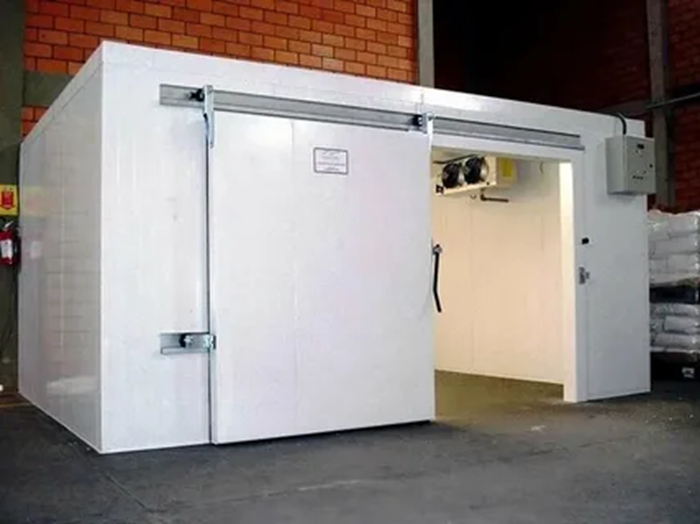
- Commercial cold storage units are used in supermarkets and warehouses to store large volumes of goods where separation by type and temperature conditions is required.
The choice of a specific type of refrigeration equipment depends on the specific business needs, storage volume, and product storage requirements. The correct balance of characteristics and application ensures efficient operation and maintains product quality.
No Comments